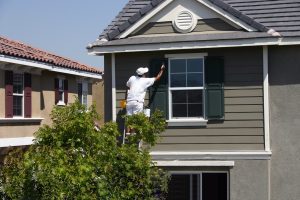

A professional paint job should do more than make a surface look good immediately after the project is finished. With appropriate preparation, quality materials, proper application, and routine care, painted surfaces can maintain their appearance and performance for years.
How long paint lasts depends on several factors, including the condition of the underlying surface, environmental exposure, the type of paint or finish, and how the area is used. Interior and exterior surfaces also face very different conditions, so each painting project requires its own approach.
At August West Painting, we provide professional painting and finishing services throughout the Portland metropolitan area with an emphasis on detailed preparation and quality finishes.
TL;DR: Make Your Professional Paint Job Last Longer
- Proper surface preparation is essential for paint adhesion and durability.
- Paint products should be selected for the surface and environment.
- Correct application techniques help create a consistent finish.
- Moisture and underlying surface problems can shorten the life of paint.
- Interior and exterior surfaces require different considerations.
- Routine maintenance can help painted and finished surfaces continue looking their best.
Why Is Surface Preparation So Important?
The durability of a paint job begins before the first coat of paint is applied.
Paint needs a clean and stable surface to adhere properly. Dirt, dust, loose paint, damaged areas, grease, and other contaminants can interfere with adhesion and affect the finished appearance.
Depending on the surface, preparation may include cleaning, scraping, sanding, patching, caulking, repairing damaged areas, and priming.
Preparation can require a significant amount of time, but it is one of the most important parts of achieving a professional finish that lasts.
Does the Quality of the Paint Matter?
Paint products are formulated for different surfaces, environments, and performance requirements.
Using an appropriate product can affect coverage, durability, appearance, washability, and resistance to everyday wear. Exterior paint must also withstand changing temperatures, moisture, sunlight, and other environmental conditions.
The most expensive paint is not automatically the correct choice for every project. Selecting a product that matches the surface and intended use is more important than choosing paint based on price alone.
How Does Professional Application Affect Durability?
Application technique can influence both the appearance and performance of a painted surface.
Professional painters may use brushes, rollers, spray equipment, or a combination of methods depending on the surface and desired finish. Proper coverage, appropriate drying time, and applying the recommended number of coats all contribute to consistent results.
Fine-finish work may require additional attention to sanding, surface preparation, application conditions, and finishing techniques to create a smooth and refined appearance.
Why Does Moisture Affect Painted Surfaces?
Moisture can be a significant problem for painted surfaces, particularly when it gets behind the paint or enters the underlying material.
Exterior surfaces may be exposed to rain and changing weather conditions, while bathrooms, kitchens, and other interior spaces can experience higher humidity and moisture levels.
Peeling, bubbling, staining, or recurring paint failure can sometimes indicate that an underlying moisture issue needs to be addressed.
Simply applying another coat of paint may temporarily cover the problem without correcting its cause.
How Do Interior and Exterior Paint Jobs Differ?
Interior paint primarily needs to withstand everyday use, cleaning, contact, and the conditions inside the home.
Exterior paint faces a wider range of environmental stresses, including sunlight, rain, moisture, wind, and temperature changes. In the Portland area, exterior surfaces may also experience extended periods of wet weather.
Because of these differences, preparation methods, products, and application conditions should be appropriate for where the surface is located.
Can Maintenance Help a Paint Job Last Longer?
Painted and finished surfaces still require occasional attention after the project is complete.
Cleaning surfaces appropriately, addressing moisture problems, repairing damage, and touching up areas that experience heavier wear can help maintain the finish.
Exterior surfaces should also be periodically inspected for peeling, cracking, exposed wood, or other signs that maintenance may be needed. Addressing smaller areas early can help prevent deterioration from becoming more extensive.
Why Choose August West Painting?
August West Painting provides professional interior and exterior painting, staining, restoration, woodworking, and fine-finishing services throughout the metropolitan Portland area. We work on residential and commercial properties, including new construction, remodeling projects, and existing structures.
Our experience with paint, stain, clear coats, woodwork, and detailed finishes allows us to select preparation and application methods based on the individual needs of each project. Contact August West Painting today to get started on your next project.
Frequently Asked Questions
How long should a professional paint job last?
There is no single lifespan for every paint job. Surface condition, preparation, paint quality, application, moisture, sunlight, weather exposure, and everyday use can all affect how long a finish lasts.
Why does paint sometimes peel shortly after application?
Peeling can result from poor surface preparation, moisture, contamination, incompatible coatings, or adhesion problems. Determining why the paint failed is important before repainting the affected surface.
Is primer always necessary before painting?
Not every surface requires primer, but it can be important when working with bare materials, repaired areas, stains, significant color changes, or surfaces where adhesion may be a concern. The existing surface and selected paint system should determine whether primer is needed.